

You’ve studied the theory, aced the case studies and can model a balance sheet in your sleep. But what is a career in finance actually like day to day? For many students, that question stays unanswered until they land their first role. A financial services internship closes that gap early.
Ella D’hage, a QUT student, completed her work integrated learning placement at Morgans. She rotated through teams across the firm, interviewed staff for a research project and attended an adviser conference. Here’s what she learned, and what she’d tell any student weighing up their options.
Why Ella chose a financial services internship at Morgans
Ella already had experience at an accounting firm. Morgans offered something different: a firm with a stockbroking background.
The rotational structure was another draw. “You get exposure to the business as a whole, rather than other internships where you’re only able to work in one side of things,” she says.
The deciding factor was people. Ella had already met several Morgans advisers. She knew they would support her and give her the education she needed to excel, if advising turned out to be her path.
Lesson one: trust matters as much as technical skill
Ella’s biggest insight came from time with the retail advice team. “I’d always focused on the technical side of things,” she says. “But I worked out that relationship building and having trust with that client is so important, if not more important, than the technical side.”
That’s a common surprise for finance students. University rewards technical accuracy. Client work rewards trust, consistency and listening. Both matter, but one opens the door for the other.
Lesson two: explain it so anyone can understand
The second lesson builds on the first. Detailed analysis only helps if the client understands it.
“No matter how detailed you go, it doesn’t matter if they don’t actually understand what you’re saying,” Ella says. Good advisers translate complex research into plain English. That skill takes practice, and an internship is a safe place to start building it.
Learning the language of the industry
Ask Ella about the biggest barrier for graduates and she doesn’t hesitate: language.
Finance is full of acronyms and shorthand. Without exposure, you can sit in a meeting and not follow the conversation, let alone contribute. Week after week of team meetings changed that for Ella. “It now means that I can enter those conversations, contribute, but also understand what everyone’s saying.”
She also valued hearing directly from listed companies. “When in a classroom are you ever going to have a CEO or CFO come in and talk to you about their business?”
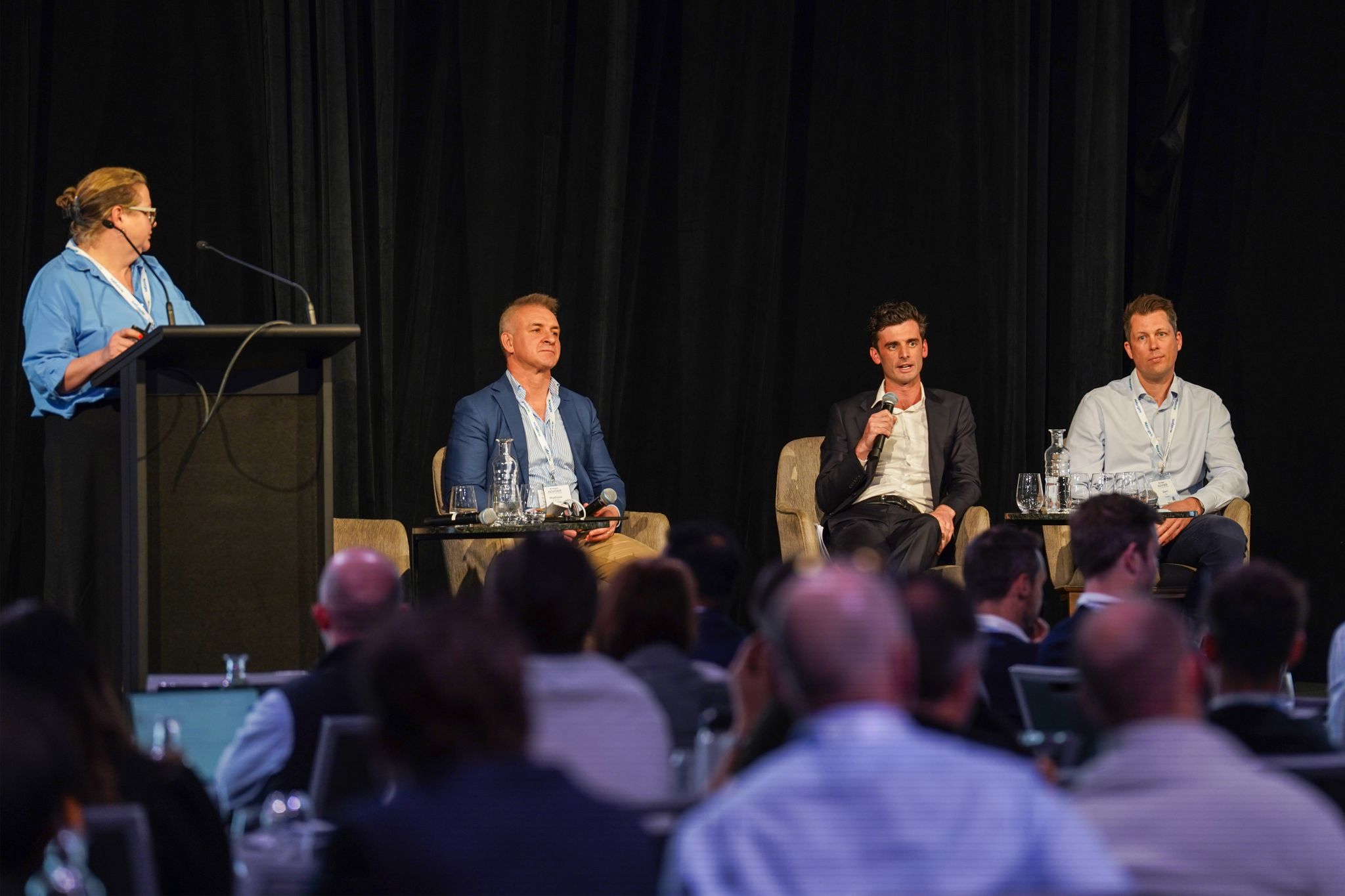
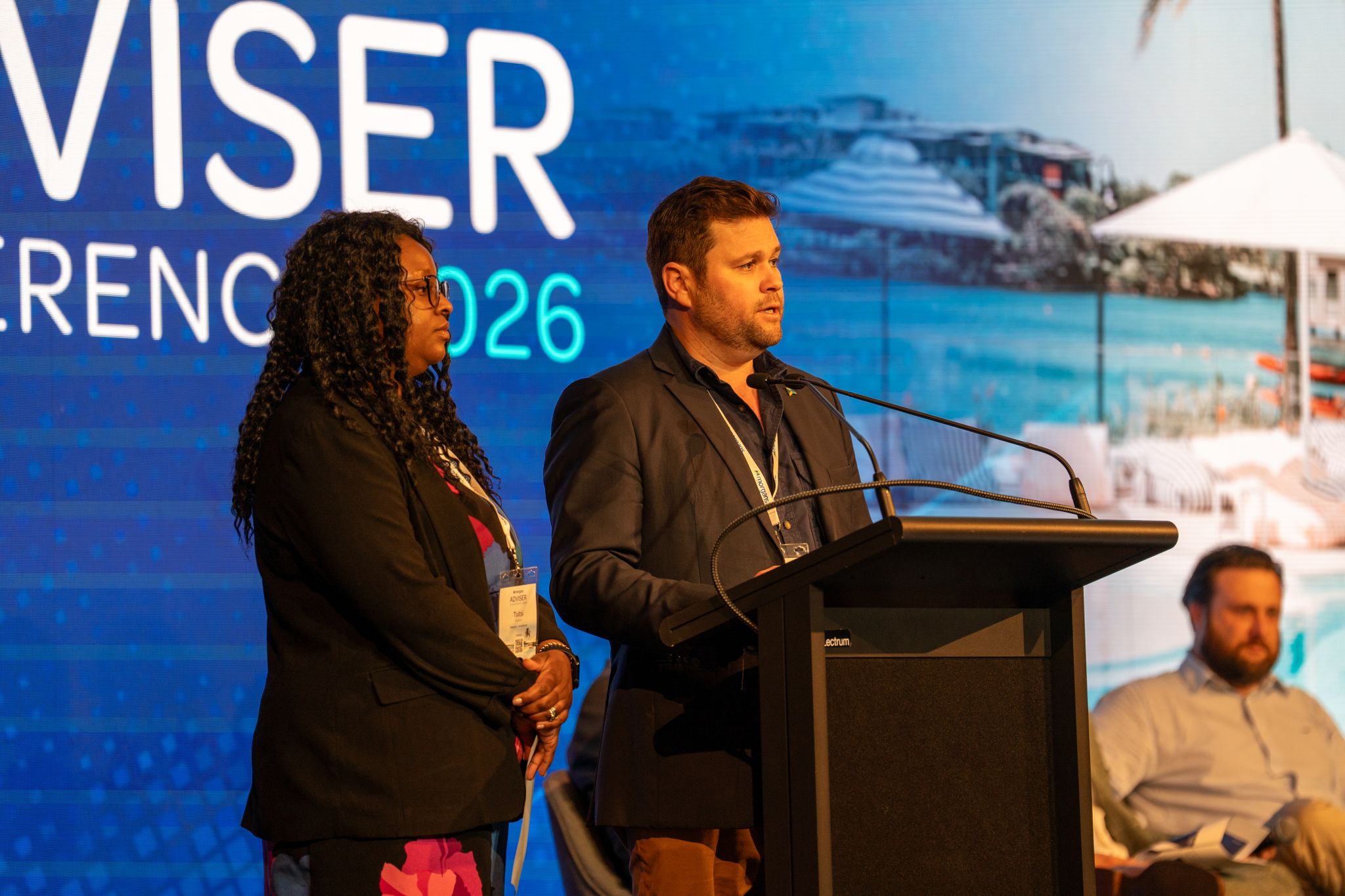
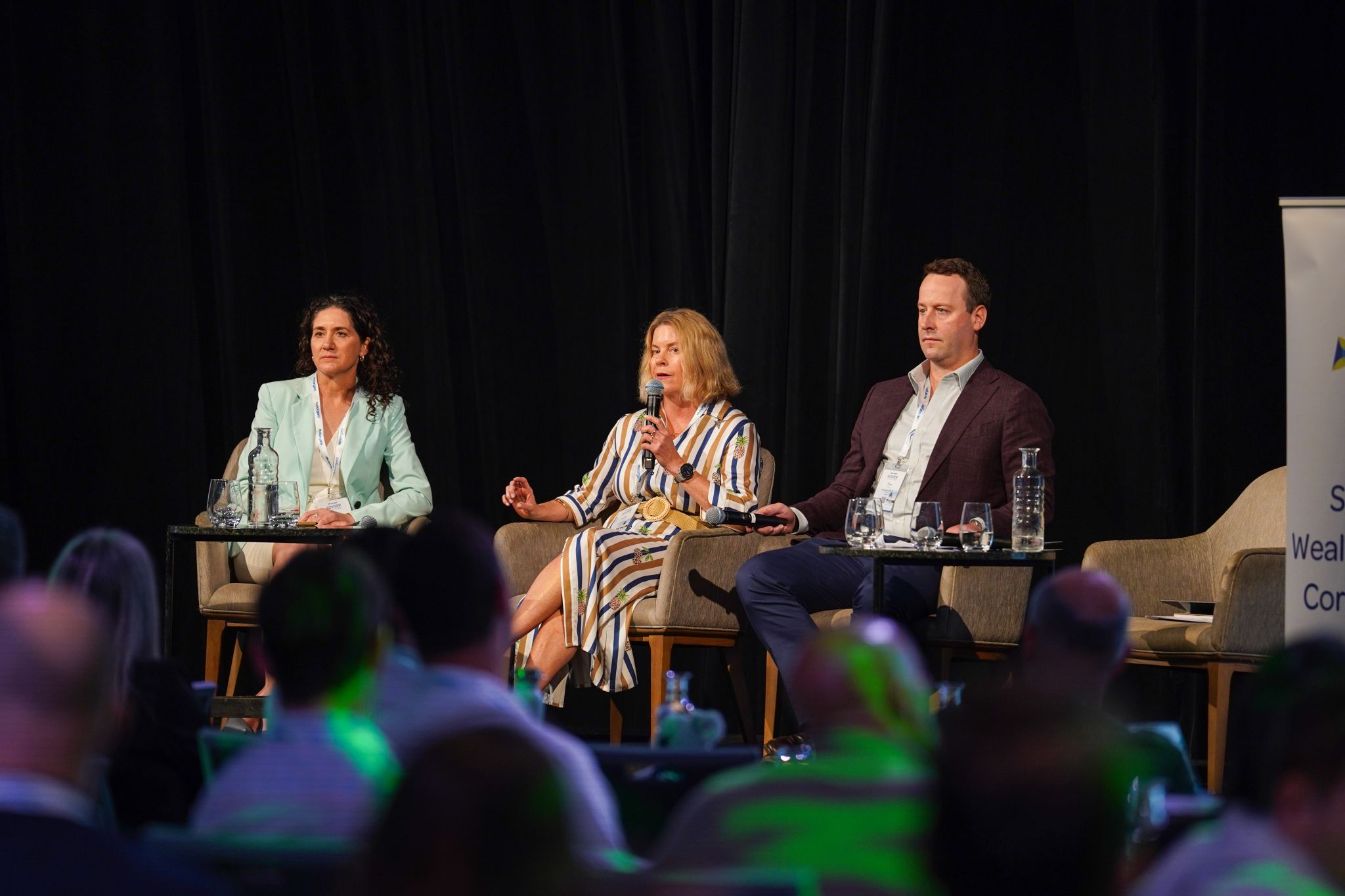
A highlight: the Morgans Adviser Conference
Attending the adviser conference was a standout for Ella. She spoke with advisers from across the network and saw that every adviser’s business runs differently.
That’s when it clicked. “I think advising is such a great career, because you can run it the way you want,” she says. She also saw Morgans’ culture on show at the event.
If you’re considering becoming an adviser, it helps to know the formal steps too. ASIC outlines the education, exam and professional year requirements for new financial advisers. Morgans supports this path through its Professional Year Program.
Building a real research project
Ella’s placement included a research report on the housing market. She had access to teams across the firm, including marketing, and a supervisor who reviewed her drafts along the way.
To inform the report, she interviewed Morgans staff of all ages and roles. She asked how they had entered the housing market, or what they would want to know if they hadn’t yet. Their answers shaped her final report.
The project gave Ella practice in research, interviewing and writing for a real audience. It also helped her get to know colleagues across the business.
You can read Ellas report here
Ella’s advice for students considering an internship
Ella’s top tip is simple: talk to as many people as possible. Here’s how to put that into practice.
- Say yes to coffee catch-ups. Meet people from any team, not just the one you think you want to join.
- Ask how they got there. Everyone took a different pathway into the industry. There’s no one right way.
- Test your assumptions. “You might think a particular job is something, but until you’re in there actually doing it, you might find that it’s nothing like what you originally thought.”
- Find a sounding board. Having people to bounce ideas and concerns off is valuable at every stage.
Internship and early career pathways at Morgans
Morgans offers several entry points for students and graduates. Details are current at the time of writing. Check the Careers page for the latest intake dates.
Frequently asked questions
What do you do in a financial services internship?
It depends on the program, but most involve shadowing teams, joining meetings and completing a project. At Morgans, Ella rotated across the business, attended an adviser conference and wrote a research report based on staff interviews.
Do I need a finance degree to apply?
Not always. Morgans’ Corporate Internship is open to commerce, law and engineering students, and the Research Internship suits economics, finance and commerce students. Check each program’s criteria on the Careers page.
What skills matter most in financial advice?
Technical knowledge is essential, but trust and communication carry just as much weight. Advisers need to explain complex ideas in plain English so clients can make confident decisions.
How do I become a financial adviser in Australia?
New advisers must meet education standards, pass an exam and complete a professional year. ASIC outlines the requirements, and Morgans runs a Professional Year Program for aspiring advisers.
Is a rotational internship better than a single-team placement?
A rotation shows you how the whole firm works before you commit to one area. As Ella found, a role can look very different once you see it up close.
Start your career in financial services
Ella’s placement showed her that trust, clear communication and industry fluency matter as much as technical skill. It also showed her there’s no single path into the industry, and that the best way to find yours is to talk to the people already doing it.
If you’re a student curious about a career in stockbroking, wealth management or advice, explore Morgans’ internship, graduate and FINVEST programs.
The information contained in this article is provided by Morgans Financial Limited (ABN 49 010 669 726, AFSL 235410) as general information only and is made without consideration of an individual’s relevant personal circumstances. It does not constitute financial advice. Morgans Financial Limited, its related bodies corporate, directors and officers, employees, authorised representatives and agents do not accept any liability for any loss or damage arising from or in connection with any action taken or not taken on the basis of this information.


