Kevin Warsh likes to think about the economy. When Warsh first joined the Fed board, the chair was Ben Bernanke, who liked to preface his remarks on the structure of the US economy with, "this is how I like to think about it."
At Jackson Hole on 28 August, Warsh set out how he thinks about the US economy and the Fed's role in it. Warsh is a longstanding critic of forward guidance, saying, "I believe that when policymakers make quasi-commitments on interest rates, we inhibit our own freedom to make the right calls when it is time to decide." He argued the Fed should not indulge a regime in which market participants look primarily to the Fed for their next trade. He described it as a "hall of mirrors" problem. When markets rely on the Fed and the Fed relies on market prices, both sides risk being blindsided by new developments in the economy and risk compounding policy errors.
Warsh expressed a preference for private domestic final purchases, which he said typically carries more signal than GDP, noting it had been running at close to 3% growth so far this year. A similar published measure, real personal consumption expenditure, grew 2.63% year-on-year to June, easing to 2.1% year-on-year in July, though that July figure was likely published after Warsh's speech.
Turning to inflation, Warsh said the price-stability side of the mandate was more concerning. The Fed's preferred gauge, the 12-month change in the PCE price index, stood at 3.7%, while the six-month change was running hotter at 4.1%. Core PCE inflation, as published by the Cleveland Fed on 31 August, was 3.4%, while core CPI, also from the Cleveland Fed, was lower again at 2.4%.
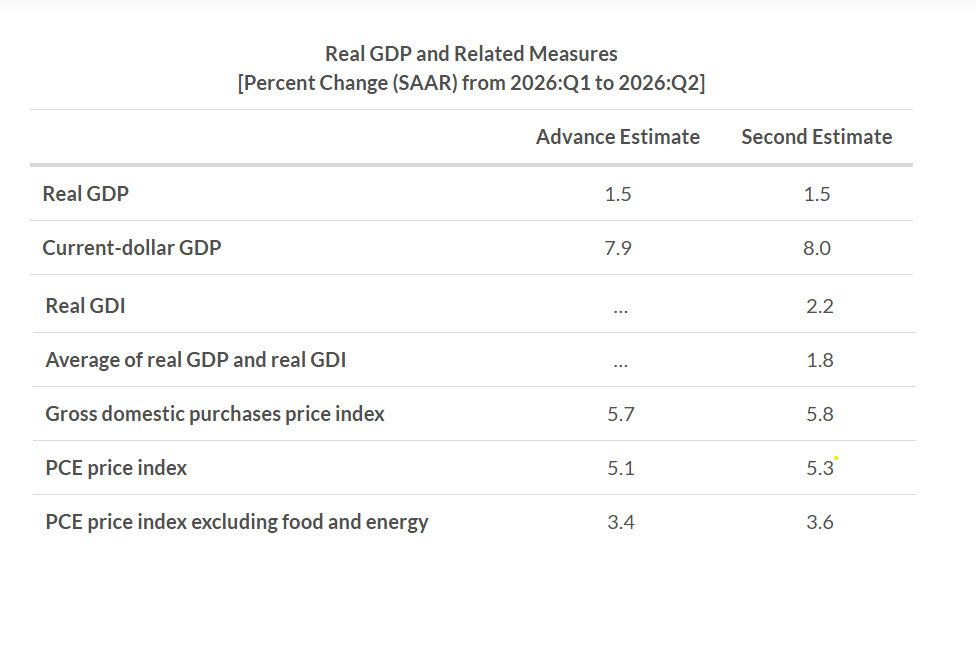
Running our model of the Fed Funds rate as at 1 September puts it at 3.99%, some 39 basis points above the current Fed Funds rate of 3.6%.
That points to a rate hike being warranted, though not urgent.
Three FOMC meetings remain this year: 15 to 16 September, then 27 to 28 October (just ahead of the November midterms), with a further meeting on 8 to 9 December. We think a hike is more likely at the meeting following the midterms in December than at the one before them.
Want to discuss how this impacts your portfolio?
DISCLAIMER: Information is of a general nature only. Before making any financial decisions, you should consult with an experienced professional to obtain advice specific to your circumstances.
.jpg)
.jpg)
.jpg)